Korean Soups and Stews
Highlighted under: Taste of Continents
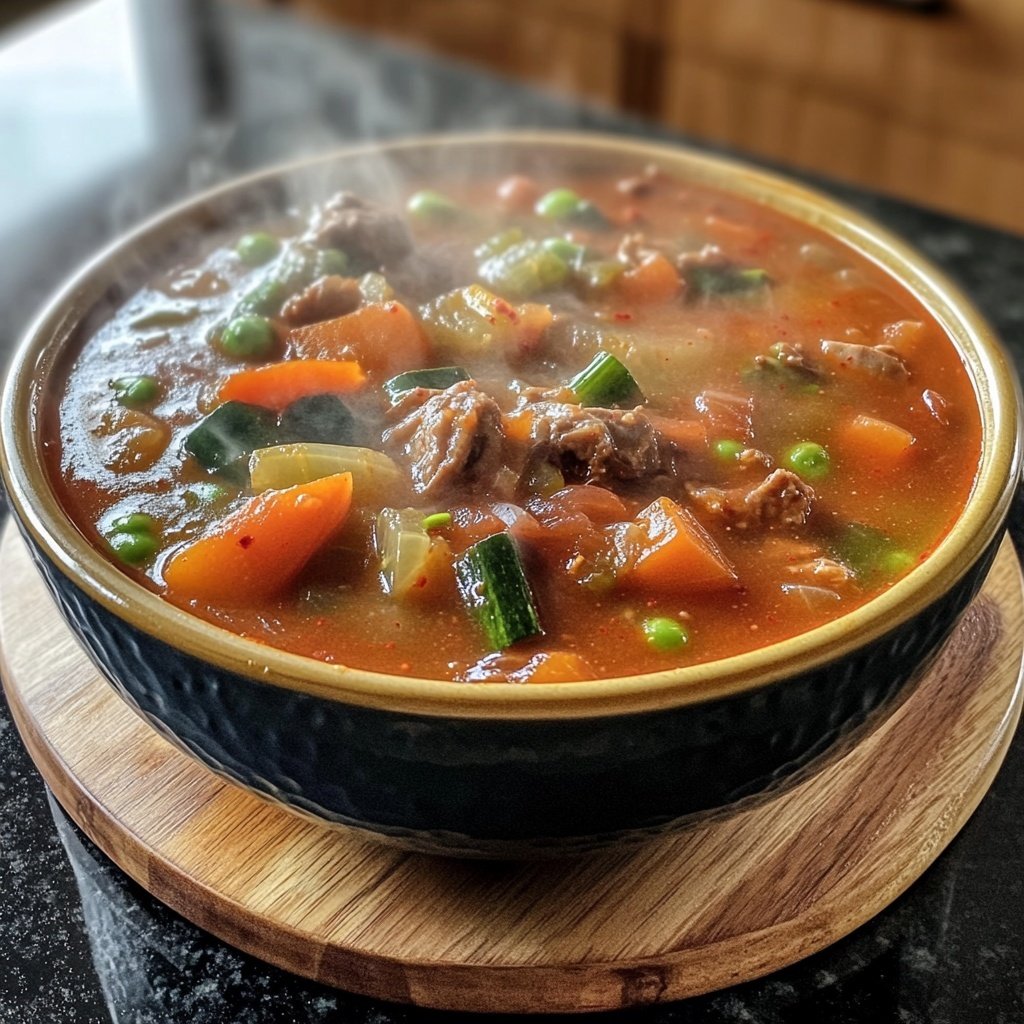
Delve into the rich and hearty world of Korean soups and stews, where every bowl tells a story of comfort and tradition.
Korean soups and stews are not just meals; they are a way to connect with family and friends. Each recipe brings a unique blend of spices and ingredients that warms the body and soul.
Why You'll Love This Recipe
- A delightful blend of spices that awaken your taste buds
- Hearty and filling, perfect for family gatherings
- Versatile recipes that can be customized to your liking
The Essence of Korean Cuisine
Korean cuisine is renowned for its bold flavors and vibrant ingredients, and soups and stews are at the heart of this culinary tradition. Each dish is carefully crafted, offering a balance of taste and nourishment. The use of gochujang, a staple in Korean cooking, adds a unique depth and spice that elevates even the simplest of ingredients. In these warm bowls, you’ll find not only comfort but also a connection to the rich cultural heritage of Korea.
When making Korean soups and stews, the quality of your ingredients plays a crucial role. Fresh vegetables, tender cuts of meat, and flavorful broths are essential for achieving the authentic taste that characterizes these dishes. The beauty of Korean cooking lies in its versatility; whether you prefer a spicy, robust stew or a milder, comforting soup, there’s a recipe that can cater to your palate.
A Family Tradition
In Korea, soups and stews are often enjoyed during family gatherings and celebrations. They symbolize warmth and togetherness, making them a staple at the dinner table. Preparing these dishes can be a communal activity, where family members come together to chop, stir, and share stories, creating lasting memories. This tradition underscores the importance of food in fostering connections among loved ones.
Moreover, each family may have its own unique take on traditional recipes, passed down through generations. This personal touch adds a layer of nostalgia and individuality to every bowl. By trying your hand at these recipes, you’re not just cooking; you’re participating in a time-honored ritual that brings people together and celebrates the joy of sharing a meal.
Customizing Your Dish
One of the most appealing aspects of Korean soups and stews is their adaptability. While the basic ingredients offer a solid foundation, you can easily customize them to suit your tastes or dietary preferences. For instance, feel free to substitute beef with chicken or tofu for a vegetarian option. Similarly, experimenting with different vegetables can introduce new flavors and textures, making each cooking experience unique.
Additionally, you can adjust the level of spice by modifying the amount of gochujang or adding other ingredients like fresh chili peppers or kimchi. This flexibility ensures that you can create a dish that is not only comforting but also tailored to your family's preferences, encouraging everyone to enjoy a hearty, homemade meal.
Ingredients
Gather the ingredients before you start cooking:
Main Ingredients
- 500g beef, cut into bite-sized pieces
- 1 onion, chopped
- 2 carrots, sliced
- 200g mushrooms, sliced
- 2 tablespoons gochujang (Korean chili paste)
- 1 tablespoon soy sauce
- 4 cups beef broth
- 2 green onions, chopped
- 1 tablespoon sesame oil
Ensure all ingredients are fresh for best results.
Instructions
Follow these steps to create a wonderful Korean soup or stew:
Prepare the Ingredients
Start by prepping all your ingredients. Chop the beef, vegetables, and green onions. This will make the cooking process smoother.
Cook the Beef
In a large pot, heat the sesame oil over medium heat. Add the beef and cook until browned, about 5-7 minutes.
Add Vegetables and Broth
Add the onions, carrots, and mushrooms to the pot. Stir in the gochujang and soy sauce, then pour in the beef broth. Bring to a boil.
Simmer the Stew
Reduce the heat and let the stew simmer for about 30 minutes, until the beef is tender and the flavors meld together.
Finish and Serve
Stir in the chopped green onions just before serving. Enjoy your Korean soup or stew hot with rice.
Serve hot and enjoy the warmth of this delicious dish!
Pro Tips
For a spicier kick, add more gochujang or some fresh chili peppers.
Storing Leftovers
Korean soups and stews often yield generous portions, making them perfect for leftovers. To store, allow the dish to cool completely before transferring it to airtight containers. It can be safely stored in the refrigerator for up to three days or frozen for longer preservation. When reheating, add a splash of water or broth to restore moisture and enhance the flavors.
Be mindful that some ingredients, particularly vegetables, may change texture during freezing and reheating. However, the flavors will continue to meld beautifully, making your leftovers just as enjoyable as the first serving. This makes Korean soups and stews not only delicious but also practical for meal planning.
Serving Suggestions
Korean soups and stews are best enjoyed hot, typically accompanied by a bowl of steamed rice. The rice serves as a perfect complement, balancing the rich flavors of the stew. You can also serve a variety of side dishes, known as banchan, which add different textures and tastes to your meal. Common banchan include pickled vegetables, seasoned greens, and small portions of protein.
For an authentic experience, consider pairing your stew with a refreshing Korean beverage like sujeonggwa, a traditional cinnamon punch, or makgeolli, a lightly sparkling rice wine. These beverages enhance the overall dining experience, making your meal not just nourishing but also a delightful culinary adventure.
Explore More Korean Recipes
If you love the hearty flavors of Korean soups and stews, why not explore other classic dishes? From bibimbap, a flavorful rice dish topped with assorted vegetables and proteins, to bulgogi, marinated beef grilled to perfection, Korean cuisine offers a plethora of options that cater to diverse tastes. Each dish provides a unique glimpse into the country’s rich culinary landscape.
You can also experiment with different cooking techniques, such as fermenting vegetables for kimchi or grilling meats for a traditional barbecue experience. Whichever route you choose, embracing these flavors will deepen your appreciation for Korean culture and its culinary heritage.
Questions About Recipes
→ Can I use chicken instead of beef?
Yes, feel free to substitute chicken for a lighter version of this dish.
→ What other vegetables can I add?
You can add zucchini, radishes, or any seasonal vegetables you prefer.
→ Can I make this dish vegetarian?
Absolutely! Just replace the beef with tofu and use vegetable broth.
→ How do I store leftovers?
Store any leftovers in an airtight container in the refrigerator for up to 3 days.
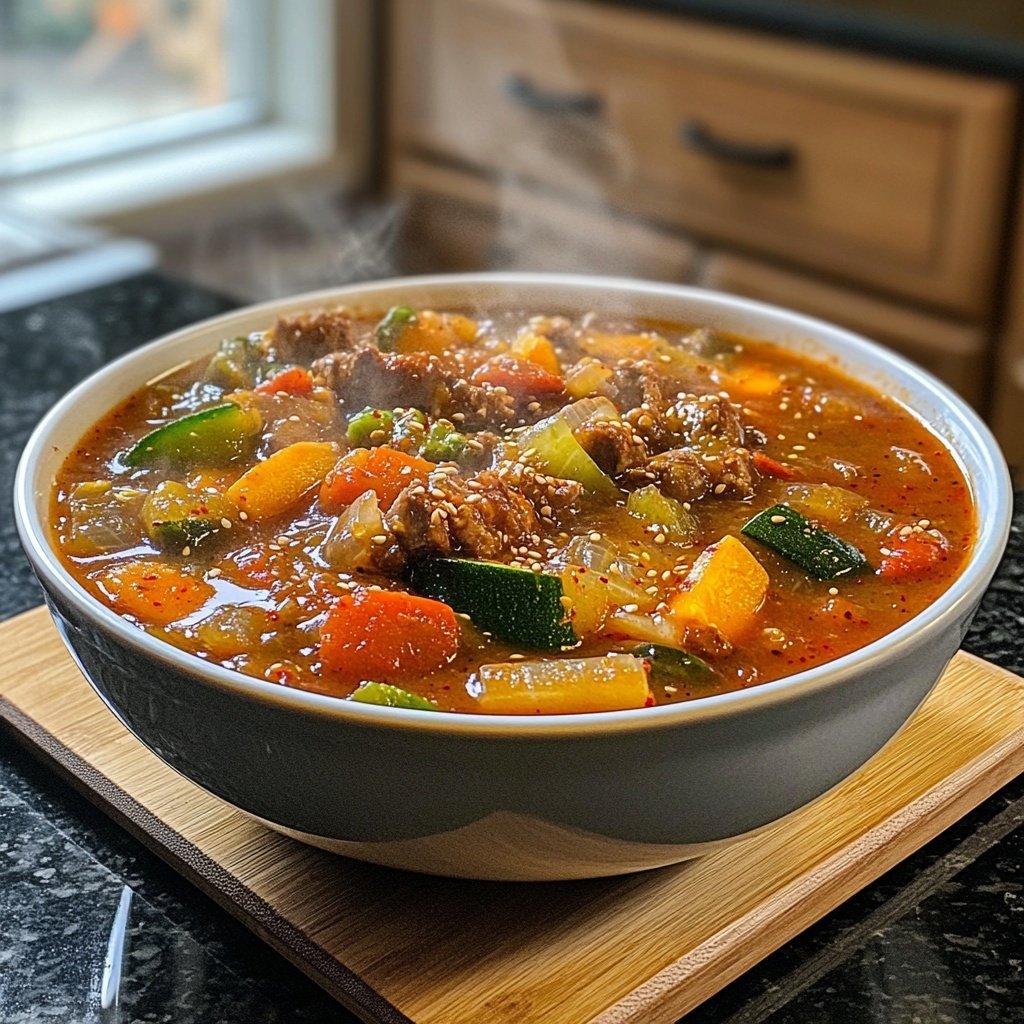
Korean Soups and Stews
Created by: Helena Wright
Recipe Type: Taste of Continents
Skill Level: Intermediate
Final Quantity: 4 servings
What You'll Need
Main Ingredients
- 500g beef, cut into bite-sized pieces
- 1 onion, chopped
- 2 carrots, sliced
- 200g mushrooms, sliced
- 2 tablespoons gochujang (Korean chili paste)
- 1 tablespoon soy sauce
- 4 cups beef broth
- 2 green onions, chopped
- 1 tablespoon sesame oil
How-To Steps
Start by prepping all your ingredients. Chop the beef, vegetables, and green onions. This will make the cooking process smoother.
In a large pot, heat the sesame oil over medium heat. Add the beef and cook until browned, about 5-7 minutes.
Add the onions, carrots, and mushrooms to the pot. Stir in the gochujang and soy sauce, then pour in the beef broth. Bring to a boil.
Reduce the heat and let the stew simmer for about 30 minutes, until the beef is tender and the flavors meld together.
Stir in the chopped green onions just before serving. Enjoy your Korean soup or stew hot with rice.
Extra Tips
For a spicier kick, add more gochujang or some fresh chili peppers.
Nutritional Breakdown (Per Serving)
- Calories: 450 kcal
- Total Fat: 25g
- Saturated Fat: 10g
- Cholesterol: 70mg
- Sodium: 800mg
- Total Carbohydrates: 30g
- Dietary Fiber: 5g
- Sugars: 8g
- Protein: 30g